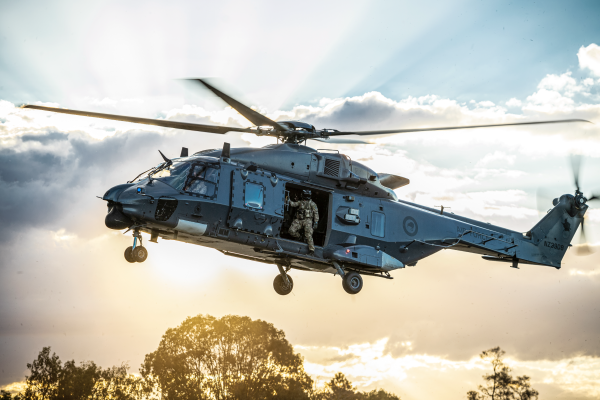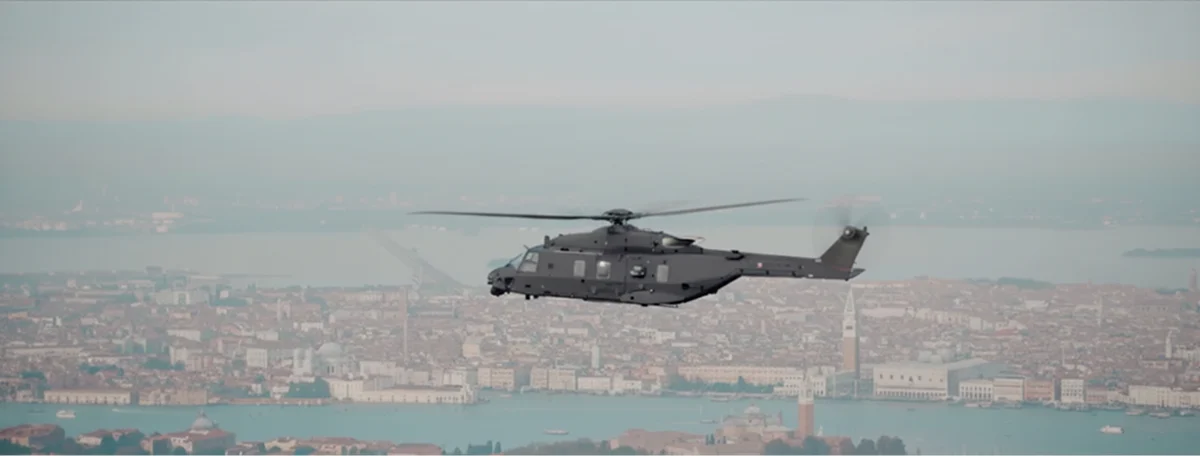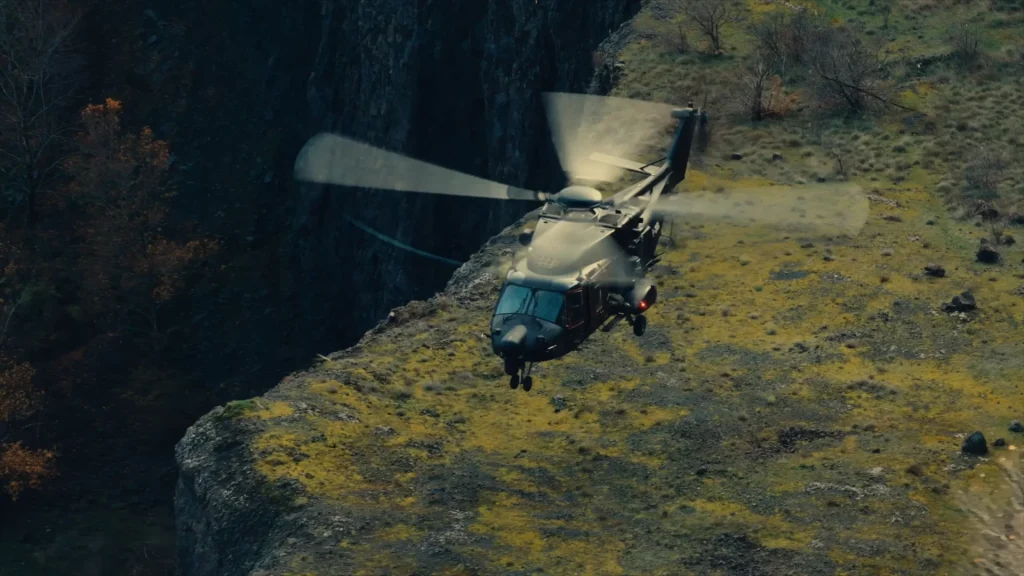
The first NH90 TFRA Standard 2 helicopter has been delivered to the French Armament General Directorate (DGA). Nicolas de Montcheuil, the DGA’s French programme director for NH90, reflects on the significance of new variant, which is specifically designed for Special Operations, and the continued evolution of the NH90 in a rapidly changing operational environment.
Delivery of the first NH90 Standard 2 helicopter to the DGA represents an important milestone in the Standard 2 programme, which will see a total of 18 helicopters in the Special Operations configuration handed over by mid-2029. The aircraft will be operated by French Army Aviation’s special forces squadron in Pau. Meanwhile, in December 2025, Spain joined the programme and has ordered 31 NH90s in a similar standard.
Enhanced capabilities
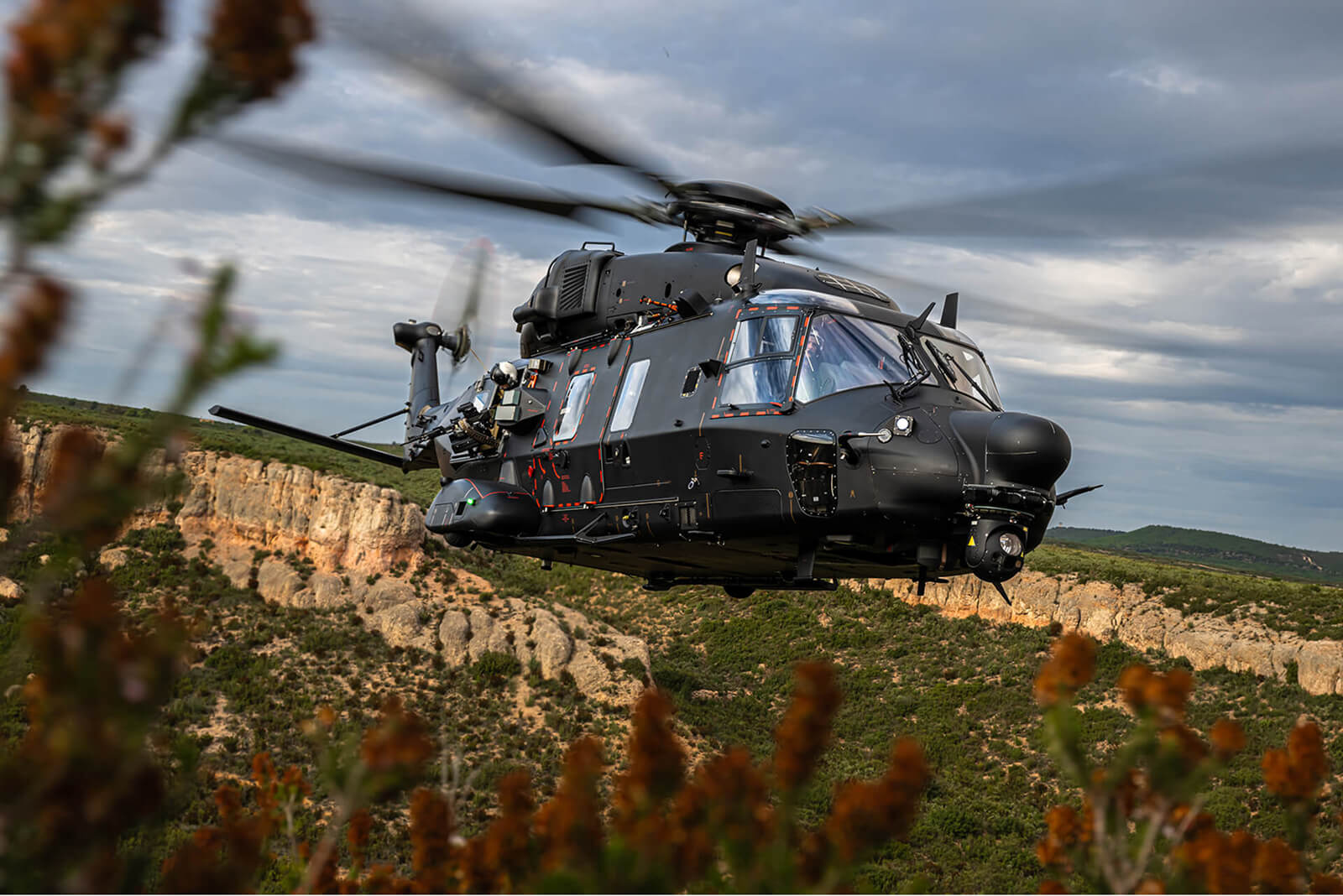
The Standard 2 configuration includes several significant enhancements. The first is the integration of the Safran Euroflir 410 D electro-optical system (EOS), while the helicopter also features a new digital map generator, installation for a third crew member and new enlarged rear sliding windows able to accommodate self-protection guns.
Commenting on importance of the Standard 2 variant, which will enhance the capabilities of Special Forces operators to execute missions in the toughest environments, the DGA’s French programme director for NH90 Nicolas de Montcheuil said: “It brings additional features like a mission FLIR to notify and designate targets on the ground. It provides also two machine guns at the rear window, allowing to protect the commandos when they disembark or embark. And also there is a communication suite, which is partially developed in-house in the MOD, and also partially developed with Airbus for the fixed part.”
It also includes provisions for a swift integration of the Direct Aperture System (DAS), which is under development, providing better visibility in poor flight conditions such as snow, dust and fog, both day and night. This upgrade will also include the use of a fully digital Thales TopOwl helmet, capable of simultaneously displaying DAS and EOS images on the visor.
Block 2 evolution
Turning to the Block 2 programme which will form the basis for the next-generation NH90 configuration designed to meet the needs of the battlefield out to the 2040s and beyond, de Montcheuil described Block 2 as a strategic project both for France and the overall NH90 Community.
He commented: “The main aim is to go from the current very integrated avionics suite, to a modern and modular one, allowing [operators] to enhance the NH90 capacities around its service life by adding new sensors or new communication systems, quicker and simpler than today.”
Turning to new capabilities through Block 2, he stressed the growing significance of collaborative combat and the need to keep pace with rapid developments in Manned/Unmanned Teaming (MUM-T). Both areas, he said, would imply to reduce pilot workload as part of wider efforts to simplify the Human Machine Interface (HMI) of the platform.
Middle East response
Commenting on the French Navy’s response to the Middle East crisis, which has involved a significant portion of the NH90 NFH fleet being embarked at sea, de Montcheuil said the deployment demonstrated the continued readiness of both the NH90 and the French Navy.
Meanwhile, he said the success earlier this year of the French Navy FREMM frigate Aquitaine in winning the US Navy’s prestigious Hook’Em Award, highlighted the importance of close co-ordination between the NH90 and the frigate in conducting successful anti-submarine warfare (ASW) missions.
The Hook’Em Award was established in 1975 and is awarded quarterly to a unit supporting the US Navy’s 6th Fleet that has demonstrated excellence in ASW operations. The award recognised the Aquitaine’s performance in anti-submarine operations in the North Atlantic in 2025.