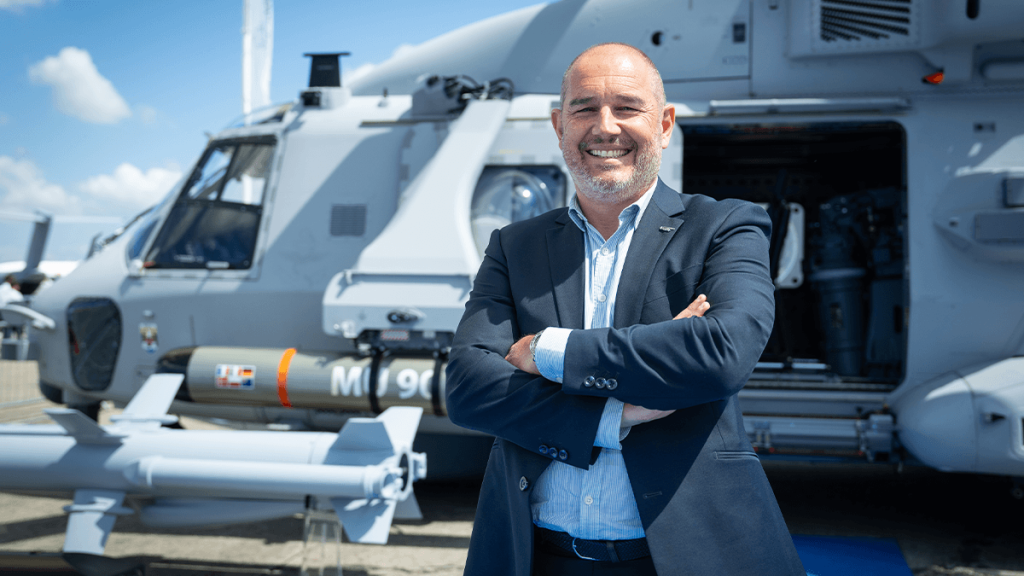
An interview with Axel Aloccio
The NH90 fleet recently exceeded 500,000 flight hours. This volume reflects the maturity of the programme. What conclusions can be drawn?
The NH90 fleet indeed recently surpassed the significant milestone of 500,000 flight hours, underscoring the programme’s maturity and operational relevance. This achievement reflects two decades of sustained development and deployment since the first delivery in 2006.
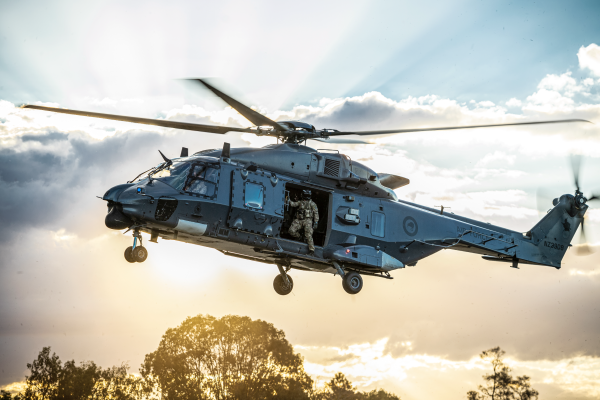
The fleet is routinely deployed across a wide range of theatres, including Afghanistan, Iraq, Mali and Djibouti, as well as in regions facing emerging security challenges. Both the Tactical Transport Helicopter (TTH) and NATO Frigate Helicopter (NFH) variants have demonstrated their effectiveness in demanding operational environments, collectively accumulating tens of thousands of flight hours in overseas missions.
At the same time, operators are expressing increasingly ambitious expectations in terms of flight activity and fleet availability. Meeting this demand requires a coordinated strategy and effort between industry and customers. For NHIndustries and Partners Companies, this involves ongoing transformation initiatives, including strengthening the supply chain, improving spare parts availability, and simplifying maintenance processes. For operators, it entails enhanced maintenance planning and execution, increased allocation of skilled personnel, and appropriate budgetary resources. Through tailored support, services and solutions—NHIndustries and Partner Companies continue to assist customers in achieving these objectives.
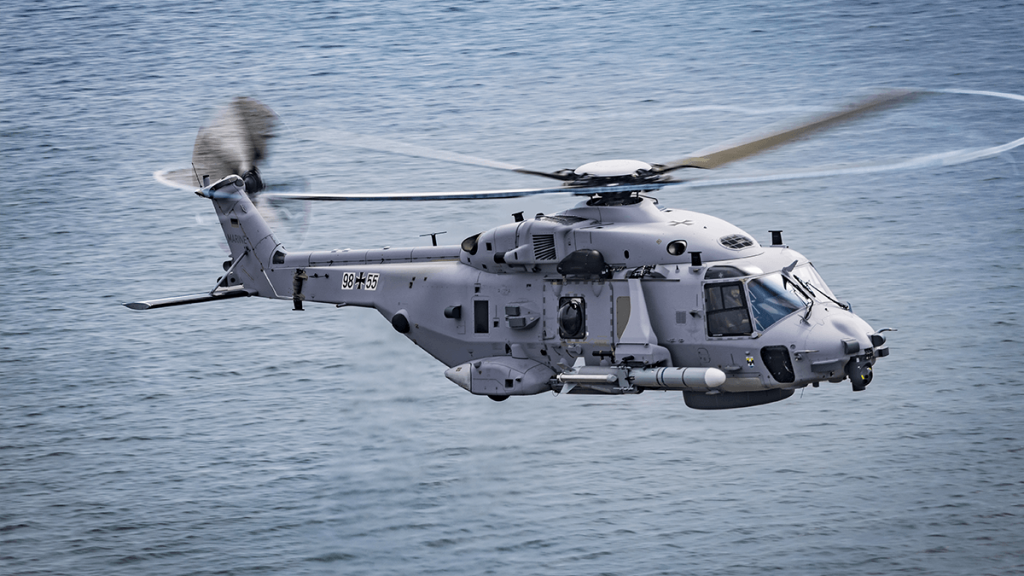
With 530 helicopters in various configurations, designed to meet the specific requirements of each customer country, the NH90 continues to attract interest from new armed forces. How do you explain this commercial success?
With a fleet of approximately 530 helicopters in multiple configurations tailored to national requirements, the NH90 has achieved notable success, primarily driven by its exceptional mission capabilities. In terms of range, speed, cabin volume, versatility and overall performance, the NH90 consistently sets benchmarks within its category.
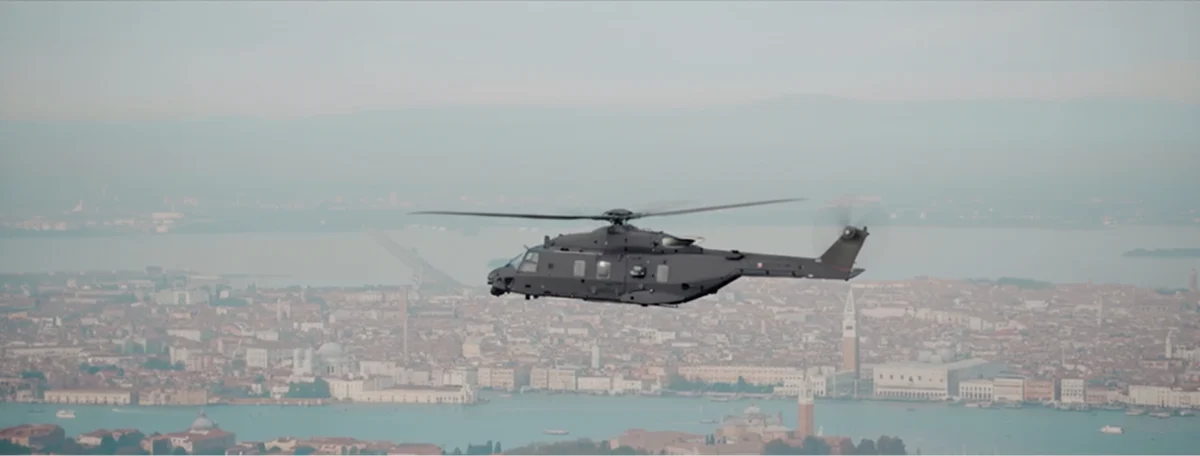
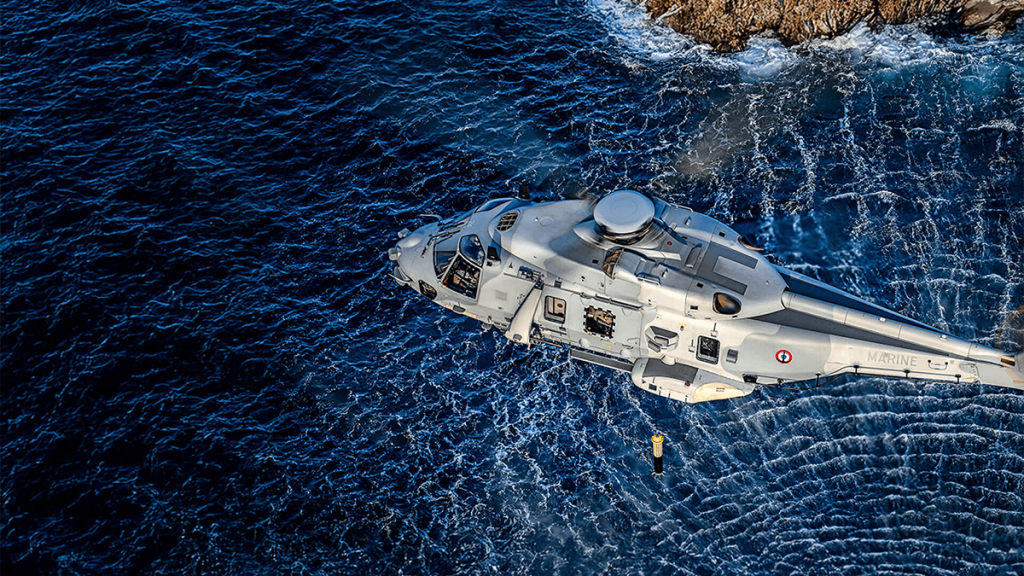
In particular, the NFH variant continues to attract strong international interest, driven largely by its advanced anti-submarine warfare (ASW) capabilities. Operational feedback has been highly positive. A notable example is its deployment by the French Navy, Italian Navy and Royal Dutch Air Force aboard frigates, where the “frigate + NFH” combination is widely recognised as one of the most advanced submarine detection systems in operation worldwide.
This operational excellence has been recognised during joint exercises, where the French Navy has repeatedly received the prestigious “hook’em award” from the U.S. Navy.
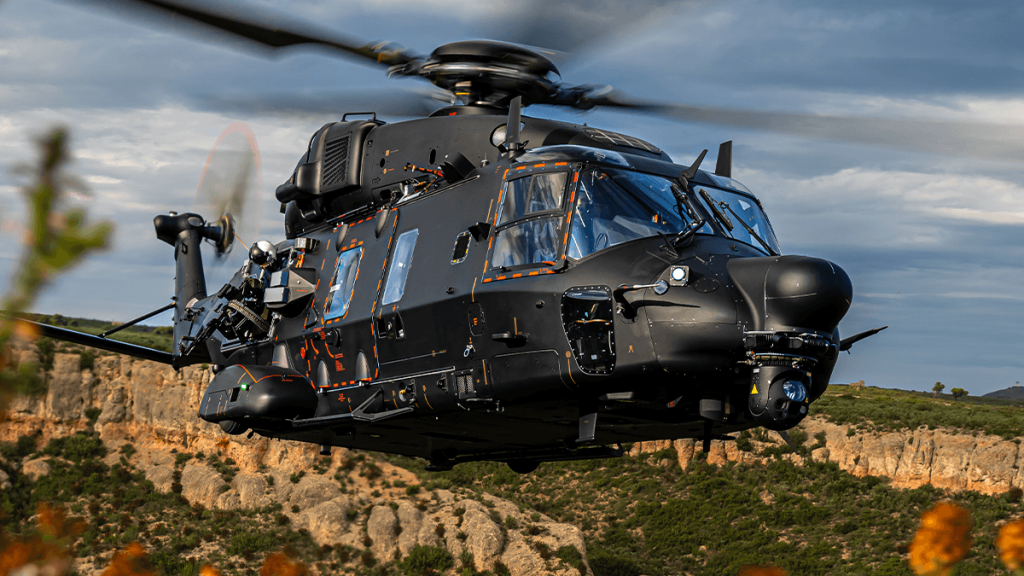
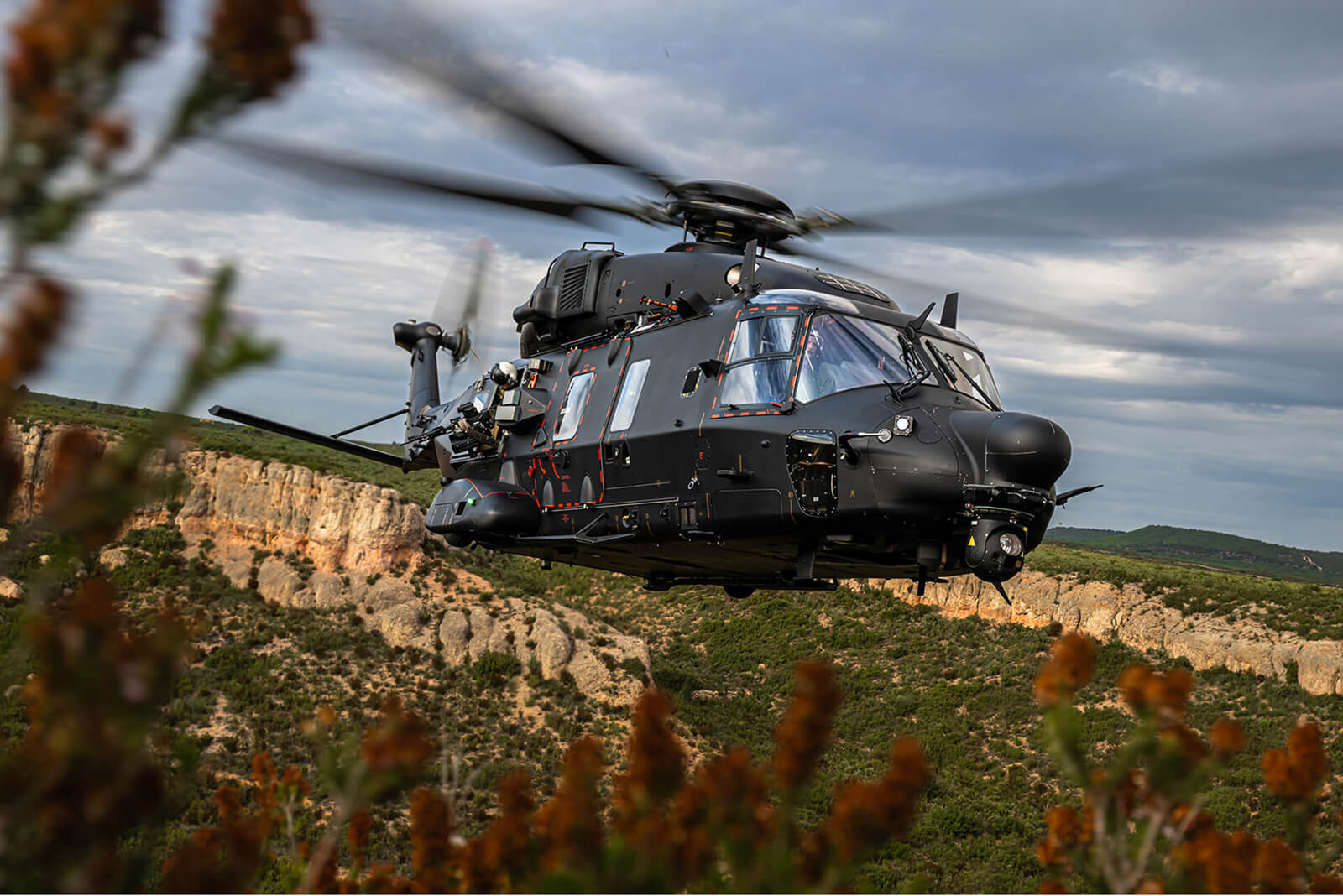
The TTH variant also offers outstanding capabilities, particularly in its Special Operations configuration (Standard 2). Recent programme developments, including Spain’s Batch 3 order, introduce advanced technological building blocks such as the Distributed Aperture System (DAS) and a new-generation Helmet Mounted Sight Digital Display (HMSD-DD). These innovations significantly enhance situational awareness and operational effectiveness, even in the most challenging visual conditions, including night operations and degraded environments such as whiteout or brownout scenarios.
Additionally, the recent certification of transportability via the Airbus A400M provides a strategic advantage, enabling rapid and autonomous deployment of the NH90 to operational theatres and adding one more airlifter transportation option.
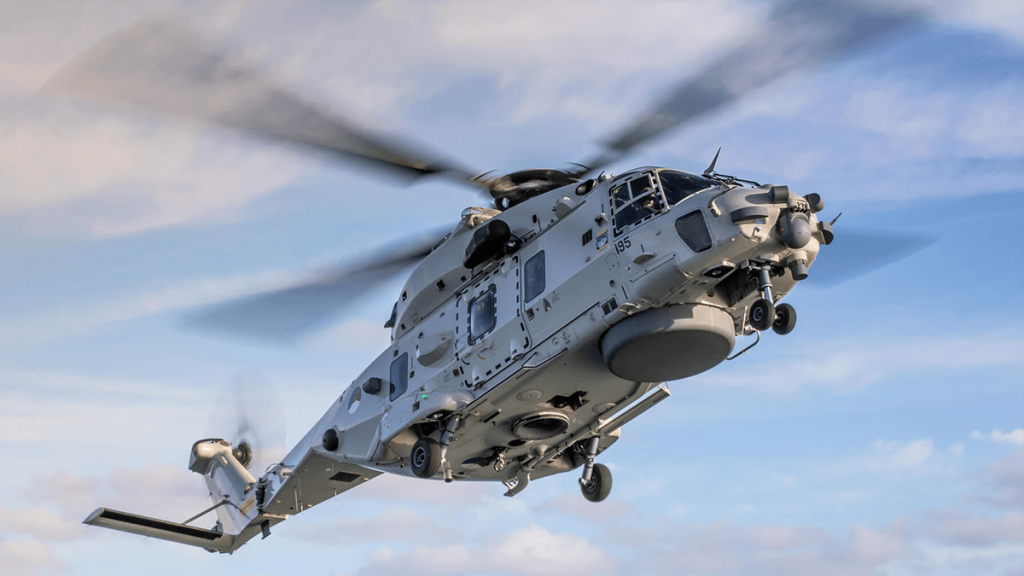
European cooperation within NHI is a unique example of a major military programme. How would you describe this multi-partner industrial cooperation?
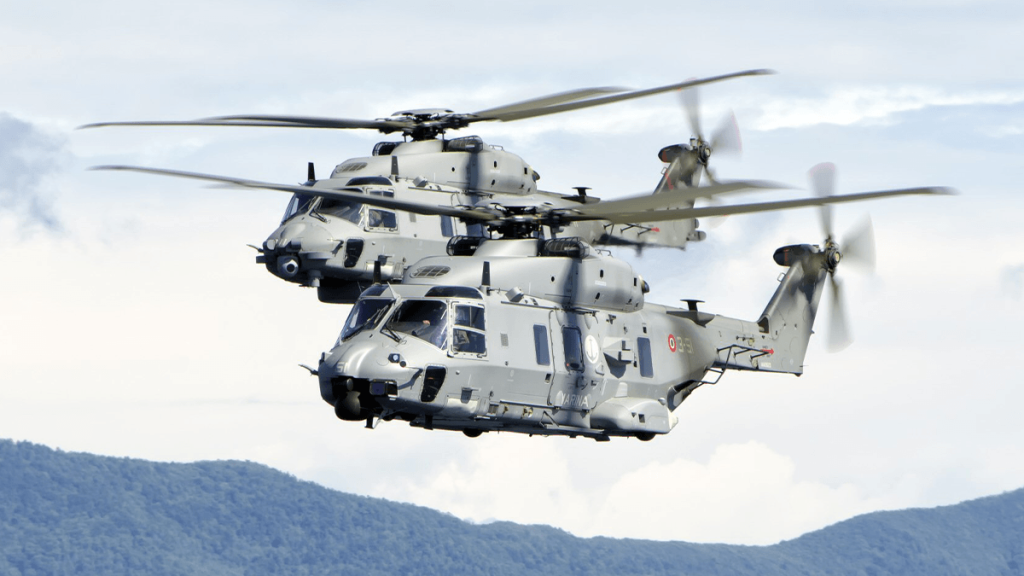
A defining characteristic of the NH90 programme is its unique model of European industrial cooperation, bringing together Airbus Helicopters, Leonardo and GKN Aerospace Fokker under the NHIndustries consortium. This collaborative framework has been instrumental in enabling a programme of such scale and complexity, which would have been beyond the reach of any single nation. It also reflects a broader trend in European defence towards enhanced cooperation, resilience and strategic autonomy.
On a daily basis, this cooperation is characterised by close coordination and mutual reliance among partners, supported by a shared commitment to the programme’s success. There is also a strong alignment at both operational and strategic levels, ensuring a unified approach to the programme’s future.
Looking ahead, the NH90 is positioned for long-term evolution. Originally designed for a 30-year service life, the platform has now been extended to 50 years at the request of customers. This extension, already technically validated, significantly expands the programme’s horizon: aircraft delivered in the coming decade could remain in service well into the 2080s.
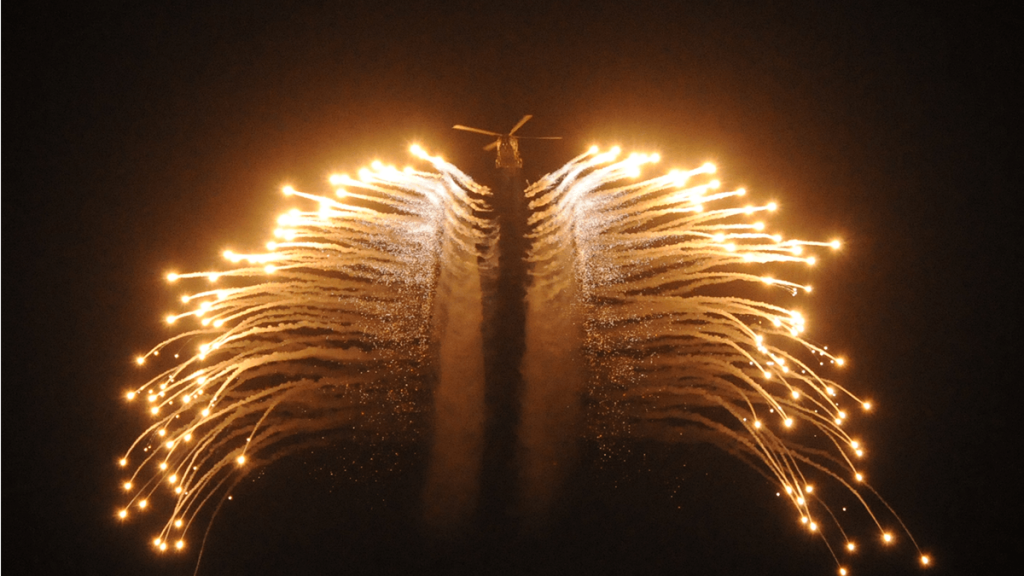
This long-term perspective is structured around progressive capability upgrades. Block 1, launched in 2024 in cooperation with NAHEMA on behalf of several European nations, introduced enhancements in data links, communications and electronic warfare. The associated retrofit programme, expected to cover more than 200 aircraft, represents a major milestone for the coming years.
In parallel, preparations are underway for Block 2 long-term evolution that will introduce a new generation of modular avionics based on an open architecture. This approach will enable faster, more cost-effective integration of future capabilities and mission systems. Following initial consultations with partner nations, an architecture study is expected to be launched for the 2026–2027 period, allowing customers to define their strategic direction by 2028.
At the same time, customers are expressing immediate requirements in areas such as weapon integration, connectivity with unmanned systems, and counter-drone protection.
NHIndustries is actively addressing these needs alongside longer-term developments.